


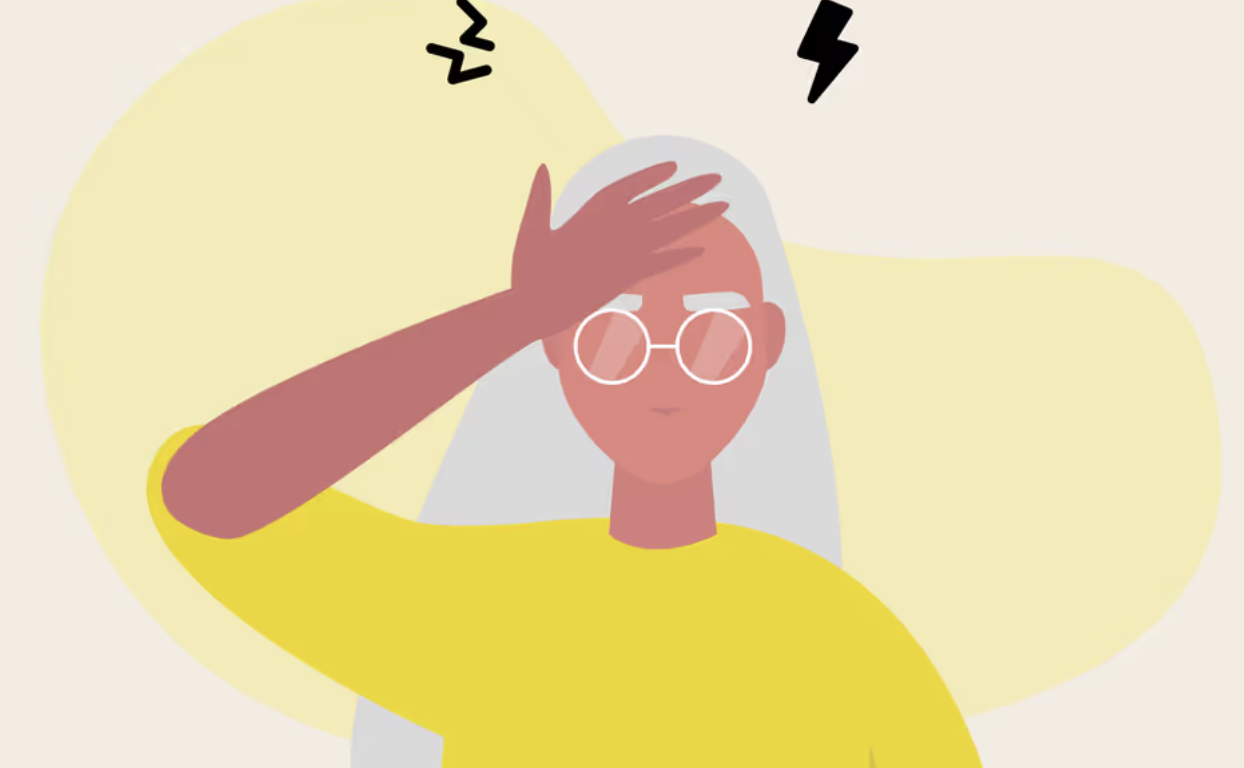
Unpredictable and invasive, migraine headaches can make daily life a torment for those who suffer from them
By Marie-Josée Roy
A migraine is not an ordinary headache, says Dr. Heather Pim, a neurologist who specializes in treating headaches at Montreal’s CHUM hospital. Rather, it’s a neurological disorder with several symptoms, including headache. “Some say ‘they’re just headaches’ and that all headaches are the same—but that’s not true,” she says.
While a number of questions remain unanswered when it comes to migraines, experts agree that they’re caused by the secretion of inflammatory proteins that disrupt the brain’s functioning. “We also think that certain people have a genetic predisposition,” Pim adds. The following symptoms are frequently observed:
- unilateral (on one side of the head) headache or pulsating (throbbing) headache;
- dizziness, nausea, or vomiting;
- visual disturbances (distortion, aura);
- hypersensitivity to sound and light;
- tingling or numbness in the feet, hands, and face;
- sensitivity to touch or smell.
Studies have shown that 74 to 84 per cent of people who experience migraines cite stress, fatigue, lack of sleep, and irregular meals as triggers.
We know that genetics and lifestyle play a role in a predisposition to migraines. “What varies is what makes a person have their first migraine,” Pim says. Factors likely to cause a migraine vary from one person to the next.
Some of the main triggers are stress, lack of sleep, eating meals at irregular times, fatigue, hormonal fluctuations, alcohol consumption, excessive coffee consumption, sensory overload, and the weather—factors such as heat and humidity.
The Role of Your Doctor
Migraines are a primary headache disorder, which means they’re not caused by a disease, an injury, or an accident. It’s important to talk to a doctor about them, if only to better manage treatment.
“When migraines affect your ability to function and they happen repeatedly, be sure to talk to your doctor and avoid self-treating with over-the-counter medications,” Pim advises. “Most family doctors are comfortable treating migraines and can refer their patient to a neurologist if needed.”
Specialists recommend keeping a journal to document migraine attacks and facilitate medical visits. Include notes on the frequency and duration of attacks, symptoms, medications used to counter the symptoms, and the triggers that may have caused the migraine. To help with this, the app Canadian Migraine Tracker, available free of charge on the App Store and Google Play, allows you to record information about your headaches.
A Three-Pronged Treatment
Three main areas are considered when it comes to treating migraines: prevention, treatment of attacks, and lifestyle. What works for one person may not work for another; that’s why adjustments are often needed.
1. Prevention
People who have several migraine attacks a month or for whom the frequency of attacks is increasing can request a preventive treatment. The first step of this protocol involves trying various medications, such as antidepressants, beta blockers, and anticonvulsants, to help to reduce the frequency and intensity of attacks.
2. Treatment
When a migraine starts, it’s best to take action as quickly as possible to deal with potential symptoms. Triptans (Axert, Relpax), gepants (Ubrelvy, Nurtec), and non-steroidal anti-inflammatory drugs (Advil, Motrin), taken on their own or in combination, are generally effective. Some medications, such as anti-nauseants, help to alleviate other adverse effects of migraines.
3. Lifestyle
Some lifestyle habits can be triggers. Experts recommend that you have a sleep schedule, eat at regular times, limit caffeine consumption to 400 mg (four cups) a day, maintain a healthy weight, do regular physical activity, hydrate properly, and learn to better manage stress.