



Two approaches to eating well have attracted the interest of researchers for several years: the DASH and MIND diets—not weight-loss diets but eating plans that reduce the risk for certain diseases
By Isabelle Huot
The DASH Diet
DASH stands for Dietary Approaches to Stop Hypertension. As its name indicates, this diet aims to lower blood pressure.
The DASH diet is similar to that of the Canada Food Guide in the sense that it promotes a diet that is low in total fat, saturated fat, and cholesterol as well as rich in fruits and vegetables and in low-fat dairy products. It emphasizes whole-grain cereals, fish, poultry, legumes, and nuts. It also recommends eating less red meat and fewer sweets. The DASH diet is high in potassium, magnesium, calcium, and fibre. In addition to having beneficial effects in preventing and controlling high blood pressure, it helps reduce LDL cholesterol.
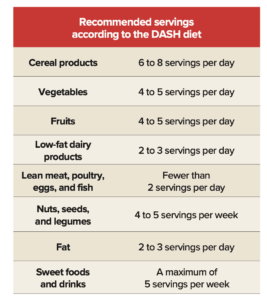
Two major studies have assessed the effects of this eating plan on high blood pressure. The first, involving 459 people, compared three groups: one with a typical diet (standard, with no nutritional intervention), one whose typical diet was enhanced with fruits and vegetables, and one that followed DASH guidelines. For each group, sodium intake was similar: around 3,000 mg.
The result: the last two groups saw a drop in their blood pressure, especially those who followed the DASH diet.
The other study tested the DASH diet but evaluated different levels of sodium (3,300 mg, 2,300 mg, and 1,500 mg). The reduction in sodium improved blood pressure in all cases, but the effects were more pronounced with the DASH diet combined with lower sodium intake.
Although the DASH diet is recommended today by many physicians and nutritionists to prevent and treat high blood pressure, other measures can be used to better control it: maintain a healthy weight, stay physically active, and use moderation when drinking alcohol.
The MIND Diet
Because there are few therapeutic options available for Alzheimer’s disease and other neurocognitive disorders at this time, diet is important. While the Mediterranean diet seemed to be the best approach until recently, researchers are finding even more benefits in a combination of the Mediterranean and DASH diets: the MIND diet (Mediterranean-DASH Diet Intervention for Neurodegenerative Delay).
Like the DASH and Mediterranean approaches, the MIND diet emphasizes plant-based foods and limits animal products and foods high in saturated fats. The MIND approach also recommends eating certain foods that are “good for the brain.”
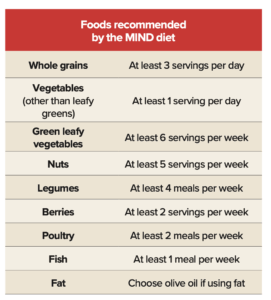
Researchers have found that the rate of Alzheimer’s disease was 53 per cent lower among people with the highest MIND scores (that is, the greatest consumption of foods recommended by this diet). Another study that followed people aged 65 and up showed that a higher MIND score was linked to better cognitive function and slower cognitive decline.
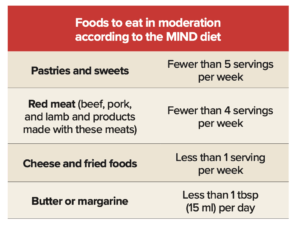
The MIND diet also recommends limiting the consumption of unhealthy foods that are high in saturated and trans fats:
It can’t be said often enough: eating well is a winning formula when it comes to your overall health.
Isabelle Huot holds a Ph.D. in nutrition.