

Wendy Haaf answers your questions about health, nutrition, and well-being
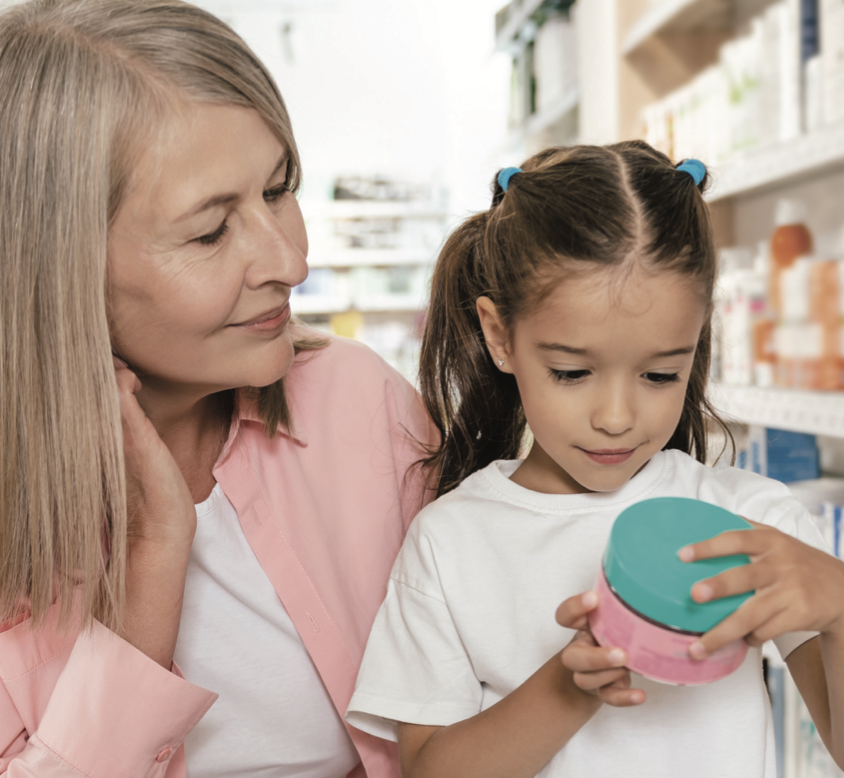
My 10-year-old granddaughter has asked me to take her shopping for skin-care products as a birthday gift. I’ve heard that kids her age are posting videos of complicated regimens online that feature products that might cause harm. What do I need to know?
Videos like these began surging in popularity on the social media platform TikTok roughly two years ago. While so-called “Get Ready With Me” videos have been a fixture there for some time, “teens and preteens have kind of taken over this realm a bit and focused on their skin-care routines,” explains Dr. Janelle Cyr, an Ottawa dermatologist and spokesperson for the Canadian Dermatology Association.
Some of these content creators are as young as seven, according to a 2025 paper published in the journal Pediatrics. You’re also correct about the potential for problems. “The focus on skin care doesn’t necessarily equate to skin health,” Cyr says.
The Pediatrics study analyzed 100 such videos and found that the 25 most-viewed featured products contained an average of 11 (to a maximum of 21) potentially irritating active ingredients. Potential culprits include benzoyl peroxide, scents, dyes, and essential oils as well as substances intended to reduce fine lines and wrinkles (such as retinol, glycolic acid, and alpha- and beta-hydroxy acids). These compounds are even more apt to irritate kids’ relatively thinner, more sensitive skin, which can lead to a vicious cycle of adding yet another cream or potion in an attempt to soothe the resulting redness and itching, “which can actually make their skin worse,” Cyr says.
And that’s not all—for kids born to families prone to eczema and allergies, early-life exposure to such ingredients can increase the risk for sensitization, “which means you become allergic” to one or more substances in a product, Cyr says. This can result in a lifelong allergy to compounds that are widely used in personal-care staples—in which case, “you’ve got a big problem going forward,” she adds.
For kids under 18, Cyr recommends a regimen consisting of a maximum of three products: a gentle cleanser containing no exfoliants or fragrance, a fragrance-free moisturizer (optional) containing none of the active ingredients listed above, and sunscreen. “Sunscreen is where the focus should be,” she stresses, since exposure to the sun doesn’t just increase skin-cancer risk: “we know it’s what ages the skin rapidly,” she says. For kids, dermatologists generally recommend lotion or cream sunscreens with an SPF greater than 30—preferably those containing physical blockers such as zinc or titanium dioxide, which aren’t absorbed by the skin to the same extent as their chemical counterparts.
As a grandparent, you may want to emphasize that the aim of skin care is to keep skin healthy and help your granddaughter focus on positive traits other than looks.
“Fixation on appearance in childhood increases a child’s risk for going on to develop things like anxiety, depression, or eating disorders,” Cyr points out. On the other hand, your unconditional love can provide a potent antidote: a close relationship with grandparents is linked to lower rates of depression and anxiety in childhood and greater emotional well-being in early adulthood.