

Wendy Haaf answers your questions about health, nutrition, and well-being
Is gel nail polish bad for your health?
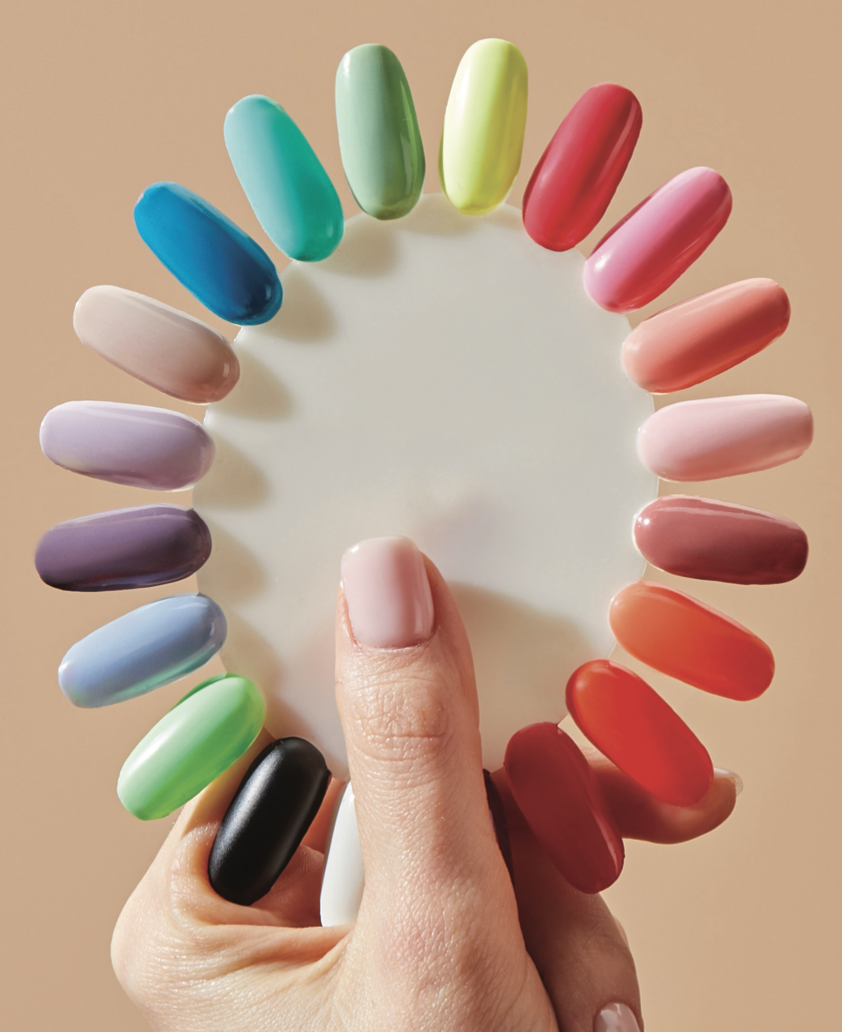
If your self-pampering routine includes regular manicures, you know that gel nail polish has a couple of major advantages over the regular variety: it’s more resistant to chipping, and it lasts an average of two to three weeks, as opposed to five to seven days. No wonder it’s the fastest-growing segment of the nail-polish market in Canada, according to the research firm Grand View Horizon.
However, gel nail polish does have a few downsides, which aren’t always spelled out by nail-salon proprietors or the manufacturers of DIY kits. In fact, “from a dermatology standpoint, it’s recommended that you avoid gel and acrylic nails,” says Dr. Sophia Colantonio, a certified dermatologist at Factor Dermatology in Ottawa and a member of the Canadian Dermatology Association. The main reason is that acrylates—a component of gel polishes and the adhesives used to anchor acrylic nails— pose “a risk for developing something called allergic contact dermatitis,” she explains.
“It’s an allergy you can develop over time with repeated exposure, and we’re seeing it a lot more because of the popularity of gel manicures. When these products are hard, there’s no allergy potential. The issue is when they’re wet”—before they’ve been “cured” with ultraviolet light. This means that you may have a lower risk exposure if you have an experienced professional apply the products. “If someone at home is perhaps not as skilled as the manicurist, they may get more on their skin,” Colantonio says.
Symptoms of this type of allergy include redness, rash, and itching around the fingernails or elsewhere on the hands. In some cases, people can develop these symptoms on the neck, face, or eyelids as well, from touching these areas or from airborne exposure. If you experience any of these issues, stop using gel polish and ask your primary-care provider to refer you to a dermatologist for patch testing.
Consumers are often left in the dark about this risk and its potential consequences. “A US study showed that the at-home kits featured warnings that the product could be flammable and that you shouldn’t get it in your eyes, but there was no mention that it could cause a skin allergy,” Colantonio says. Without such a warning, “it’s difficult to make an informed decision.”
If you’re one of those unlucky enough to become allergic to acrylates, it can cause more than the minor inconvenience of giving up gel manicures. “Once you develop this allergy, it’s permanent,” Colantonio says.
This can be problematic because acrylates are a common component of materials such as white dental fillings, the bone cement used in joint-replacement surgery, glucose sensors, and even sanitary pads.
While there’s some controversy over whether the UV light used to dry gel polish increases the slim risk of skin cancer, it is, after all, a carcinogen. To minimize your exposure, you can protect your skin with sun- screen or gloves with the fingertips snipped off. Or you could heed the advice Colantonio offers her patients and avoid these products entirely. “I just recommend that people save their money or spend it on something else,” she says.