


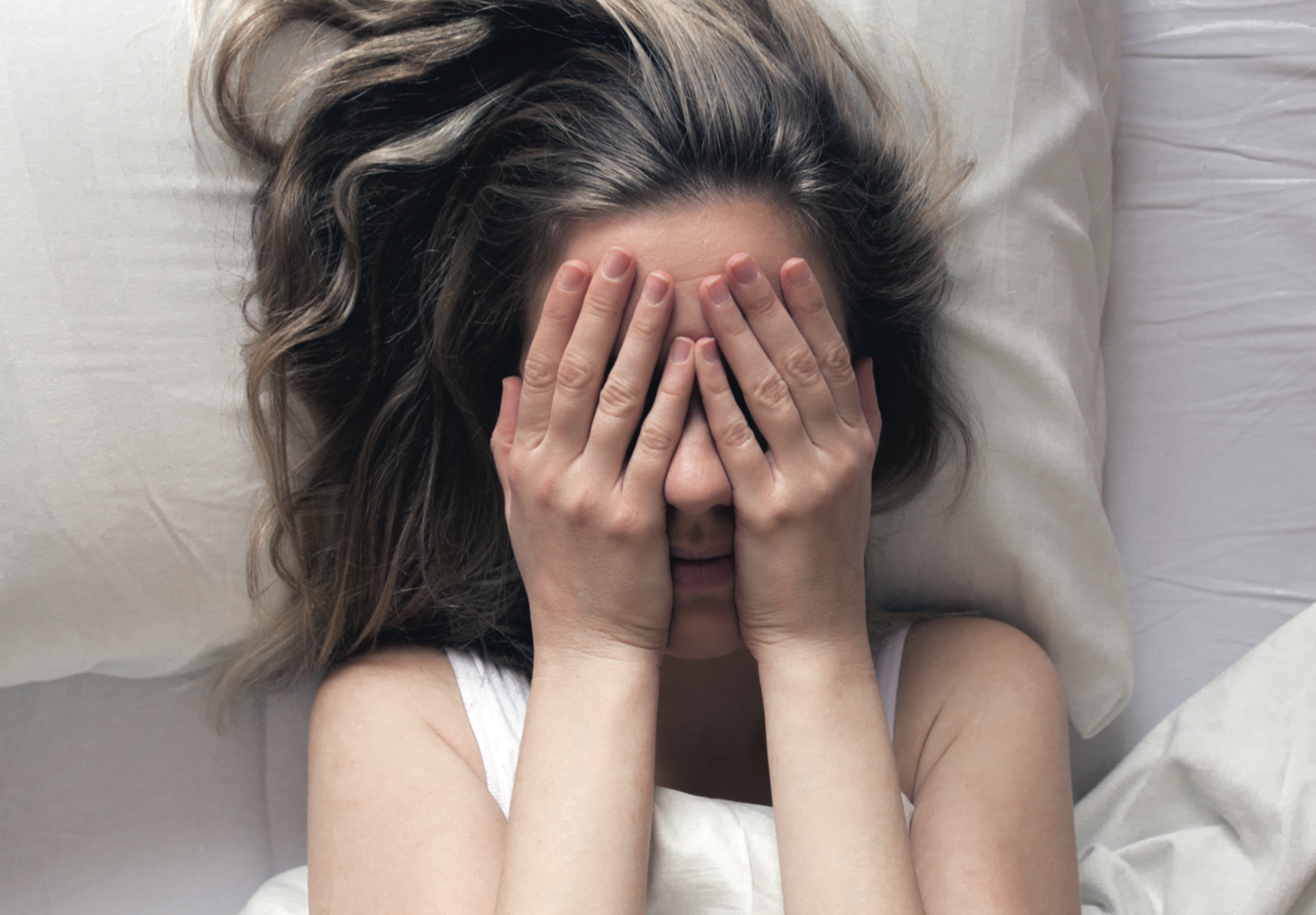
What you eat and drink plays a bigger role in the quality of your sleep than you might think
By Isabelle Huot
The Lingering Effects of Caffeine
Found in coffee, tea, and cocoa, caffeine increases alertness and concentration. Its half-life—the time needed for the level in your system to drop by half—is about five hours. This means that an afternoon coffee can still affect you in the evening.
Experts recommend keeping a journal in which you note the quality of your sleep as well as your consumption of caffeinated drinks, indicating the time you consumed them. This will help you to determine when to stop drinking them to encourage a restful sleep.
Kiwis and Cherries
Some preliminary research is looking at foods that can support sleep. Kiwis promote falling asleep, while sour cherries are a rare dietary source of melatonin. Although studies are still limited, several results suggest that these foods could slightly improve the duration or quality of sleep in some people.
Tryptophan
Though tryptophan is an essential amino acid, your body can’t produce it so it has to come from food. It’s found in many protein foods such as meat, fish, and eggs. The precursor of serotonin, commonly called the happiness or feel-good hormone, tryptophan contributes indirectly to drowsiness. But it competes with other amino acids, making its conversion to serotonin and then melatonin less effective. To optimize it, you have to partner it with complex carbohydrates such as root vegetables, legumes, and whole grains. The insulin released after carbs are consumed allows tryptophan to cross the blood-brain barrier to access the brain and begin the transformation.
The best approach is to include a grain product in your evening meal, such as quinoa, whole-wheat pasta, or soba noodles. Although carbohydrates aid sleep, avoid eating too many, as a dinner that’s high in sugars can actually disrupt sleep. It’s a question of quantity and balance. Half a cup to one cup of grains or starch is enough.
Menopause: Ways to Improve Sleep
These foods and habits can be nighttime winners.
• Consume soy (tofu, tempeh, edamame), a good source of phytoestrogen, which can partially offset the drop in estrogen.
• Take a magnesium supplement in the evening, which can have a calming effect.
• Limit triggers for hot flashes and night sweats such as alcohol, spicy foods, and caffeine. All three stimulate vasodilatation—widening of the blood vessels—and increase body temperature. Although alcohol relaxes and promotes drowsiness, it significantly harms sleep quality by causing frequent waking.
• Eat your evening meal at least three hours before going to bed. The meal should be low in fat and include protein as well as a grain product.
Isabelle Huot holds a Ph.D. in nutrition.