


Buying second-hand goods can save you money, but it can also cost you if you’re not careful
By Olev Edur
Many retirees on fixed incomes are responding to ever-rising prices by turning to second-hand purchases to save a dollar, especially when it comes to big-ticket items such as cars and appliances. But unless you take certain precautions, those savings could end up being illusory.
While consumer laws can protect you and you’ll find plenty of helpful information online, caveat emptor is particularly relevant when you’re dealing with used goods.
“It’s important to be aware of the risks as well as the protections that may apply [to buying used products],” advises Hans Parmar, a media relations officer at Innovation, Science and Economic Development Canada (ISED).
“When you’re buying from a business, such as a dealership, an appliance store, or a thrift retailer, provincial and territorial consumer-protection laws may provide certain rights, such as warranties and protections against misleading practices. In less formal settings, such as garage sales, flea markets, or peer-to-peer transactions on online platforms, consumer protections are more limited, and buyers should exercise greater caution.” But even in these settings, Parmar adds, “it’s the seller’s responsibility to make sure the product they’re selling is safe and meets the requirements of the Canada Consumer Product Safety Act.”
While many of the Act’s safety laws apply primarily to products for children—playpens, high chairs, car seats, and so on—certain items such as hockey helmets, microwave ovens, and portable personal media players also fall within their purview. In addition, the Government of Canada website identifies a number of products, such as smoke detectors, cosmetics, and infant bath seats, that shouldn’t be bought second-hand and some, such as lawn darts and drop-side cribs, that are outright banned from resale. For more information on these items, you can refer to Health Canada’s website.
ISED’s Office of Consumer Affairs also provides a number of Web-based resources to help consumers make informed decisions. For the rest, though, consumer regulations are the bailiwick of provincial and territorial authorities.
“Whenever you’re buying used products, you should contact your provincial or territorial consumer affairs office or visit its website for information on your rights with respect to second-hand purchases,” Parmar advises.
Buying a Used Car
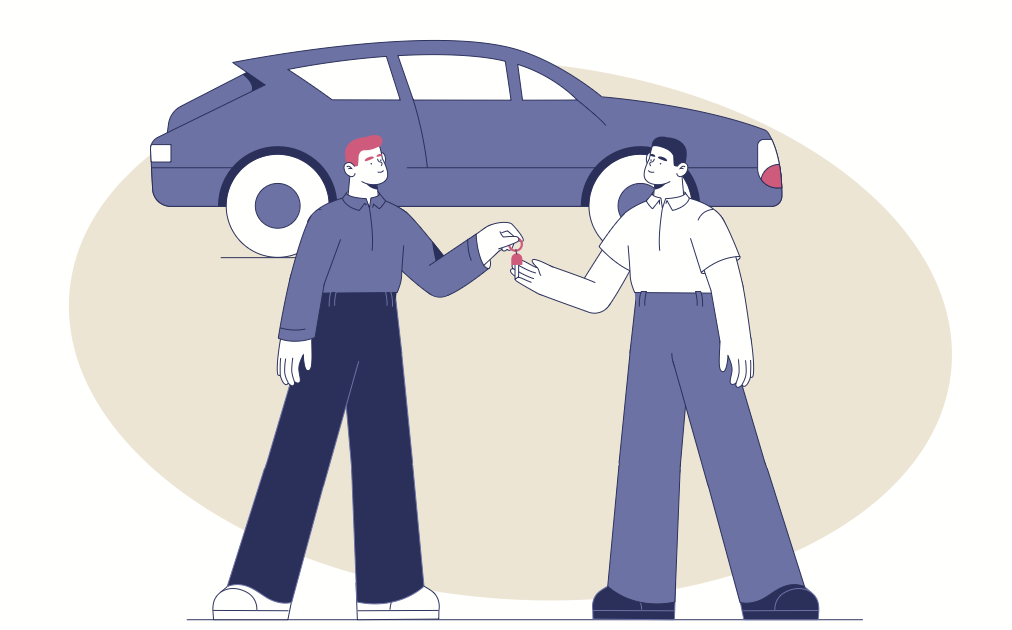
Given that an automobile is the second-largest expenditure (after a home) for many, it’s no surprise that more and more people are increasingly turning to the used-car marketplace, and many provinces and territories now have extensive regulations on such purchases.
In Alberta, for example, you can visit the Alberta Motor Vehicle Industry Council (AMVIC) website for guidance. AMVIC also recommends the following when you’re buying from a private seller:
✔ Make sure the seller has valid ID and proof that they own the vehicle.
✔ Contact a registry agent or the Alberta Motor Association to get a vehicle information report, which describes the vehicle’s registration history in Alberta.
✔ Get a personal property lien search from a registry agent, based on the vehicle’s vehicle identification number (VIN). In addition, be sure to obtain a copy of a vehicle history report from CARFAX Canada.
✔ Get a safety inspection of the vehicle from a licensed vehicle-inspection facility.
✔ Search the Canadian Police Information Centre database for stolen vehicles.
ISED recommends that you test drive the vehicle before you buy, check whether the vehicle model was ever recalled for safety issues using Transport Canada’s Motor Vehicle Safety Recalls Database, ask the seller where they’ve had the car serviced, ask to see all available service records, and then have an independent mechanic inspect the vehicle.
The ISED website also warns against buying a used vehicle from a “curbsider”: a “seller who poses as a private seller but is actually an unlicensed dealer who typically specializes in off-loading sub-standard vehicles with tampered odometers or undisclosed accident repairs.
One way to spot a curbsider is to look for multiple ads with the same phone number. There is no recourse against curbsiders, so do your research and don’t be afraid to ask questions. If a deal seems too good to be true, it might be because there is a problem with the vehicle.”
Due Diligence
While federal, provincial, and territorial governments can provide a lot of information and guidance, and in certain cases enact legislation to protect consumers, in the end, the responsibility is yours.
“A CARFAX report can be helpful, for example, but it isn’t going to cover everything that could go wrong with a vehicle, so you want to have an independent mechanic go over it,” says Ken Whitehurst, the Toronto-based executive director of the Consumers Council of Canada. “It can be hard for someone not used to doing due diligence before buying, but it’s important, especially since even used vehicles are so expensive now.”
Try to get all promises and assurances in writing, or at least jot them down or record them on your cellphone.
While warranties may not apply to used products, there are laws against misrepresentation, and such records may bolster your ability to get your money back if the product isn’t as stated. Even so, the best way to approach the used-product marketplace is to do your research beforehand. It’s always easier to avoid problems than to try fixing them after you’ve handed over your money.