

These are turbulent times, with alarming news stories popping up every day on TV, on the radio, in newspapers, and on social media; here are some tips for keeping your spirits up
By Marie-Josée Roy
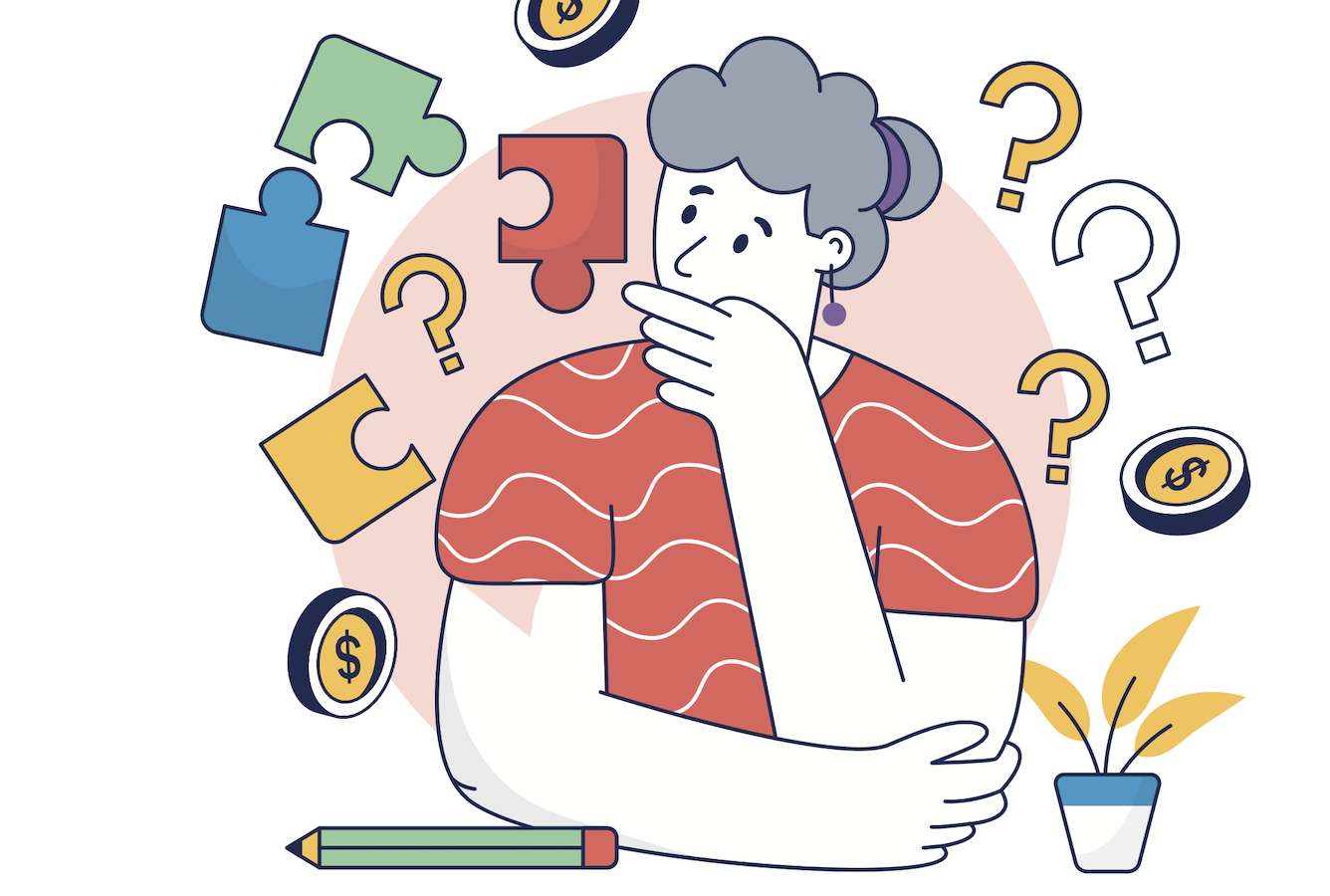
It’s not surprising that some of the stuff in the news can be a source of stress. “When we hear about job cuts, inflation, or human rights being violated, it’s completely normal to experience negative emotions; it’s even beneficial,” says Geneviève Belleville, a full professor at the School of Psychology at Quebec’s Université Laval who specializes in anxiety disorders. What happens next, however, depends on how you react to these fears.
Uncertainty Overload
Climate change, armed conflicts in the Middle East and Ukraine, destabilizing tactics by the Trump administration in the United States…there are many sources of stress for people who follow the news closely. “A large number of threats are looming at the moment, so people are more likely to have symptoms related to anxiety, including hypervigilance—constantly monitoring the news, not wanting to miss anything, watching experts analyze current events after news reports. Others have depressive symptoms or experience major feelings of frustration that can manifest as impulsive, even aggressive, behaviours,” explains Geneviève Beaulieu-Pelletier, a clinical psychologist and the author of Trucs de psy: guide pratique pour s’aider soi-même (Psych tricks: a practical self-help guide). The acts of politicians and the consequences can also give rise to a sense of helplessness.
“The current uncertainty can cause anxiety as well as a sense of loss of control,” Belleville adds. In the face of instability, the human brain often reacts by triggering a never-ending problem-solving process. “That means we’re constantly trying to come up with solutions for scenarios that are increasingly catastrophic. It’s human to want to foresee what will happen and make sure that our survival and our comfort are guaranteed.”
How to Stop Worrying
Fortunately, our two experts agree that it’s possible to get your head above water with a few behavioural tweaks.
Avoid overexposure
“It’s helpful to limit your exposure to the news,” Belleville says. “You don’t need to be informed 24/7. In the past, people would read the newspaper in the morning or watch the news in the evening, but today, information comes at us constantly.” Try a news fast for a few days to clear your mind.
Find credible sources
You can find anything and everything when it comes to information, which is why it’s important to seek out credible journalistic sources. “It’s best to avoid the more sensational media,” Beaulieu-Pelletier advises. “You should rely on media that don’t trigger anxiety.” You also need to monitor the news that reaches you through social media, even unfollowing certain pages if necessary.
Accept the unknown
To better cope with the ups and downs, you need to let go to a certain extent. “Life is filled with uncertainty, so you need to accept what you can’t control,” Beaulieu-Pelletier says. If the future seems troubling, facing the day with your head held high is a first step in the right direction. “Life goes on, and you need to make the most of it. You shouldn’t put your life on hold. You need to enjoy yourself.”
Take action
To offset a sense of helplessness, there’s nothing like social engagement or activism. “Find something that allows you to make your values concrete,” Belleville says. “If you want to protect the environment, take an extra step in recycling. If you want to protest the trade war, buy local products. Volunteering is another good option.”
Spend time with others
Is anxiety keeping you up at night? Spending time with people you love can help to remind you of what’s important. “Keep nurturing social contact with friends and family,” Beaulieu-Pelletier says. “Expressing and naming your fears helps to calm them. On the other hand, it’s better to avoid people who like to vent about their frustrations, which can fuel your own negative emotions.”
Take care of yourself
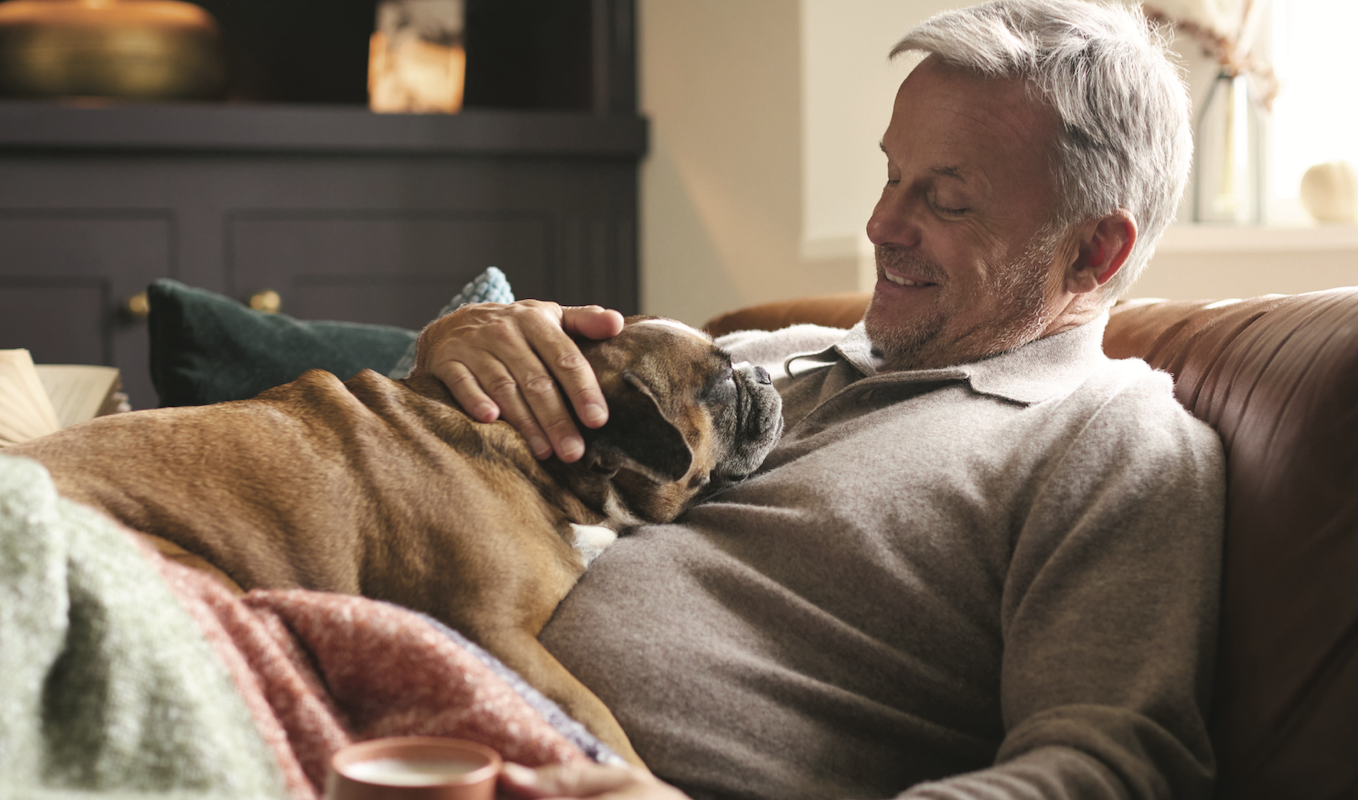
In these uncertain times, you mustn’t neglect your physical and mental health. “Set aside time for activities you enjoy, spend time in nature, laugh,” Belleville suggests. To have a healthy mind in a healthy body, you also need to pay attention to what you eat, get outdoors, and not skip physical activity. Simple pleasures that sweeten daily life are the perfect antidote to the prevailing doom and gloom.